

Selecting an energy consultant is not a simple vendor decision. For facility managers responsible for large commercial buildings, industrial campuses, or multi-site portfolios, the quality of that consulting relationship directly affects utility costs, procurement outcomes, regulatory compliance, and long-term infrastructure planning. Yet many organizations approach the selection process without a structured method for evaluating candidates, which leads to inconsistent proposals, misaligned expectations, and costly course corrections down the road.
A well-constructed Request for Proposal changes this. It creates the conditions for consultants to respond with relevant, comparable information. It forces internal alignment before external outreach begins. And it gives facility managers a documented basis for their eventual selection, which matters when decisions are reviewed by finance leadership or procurement committees.
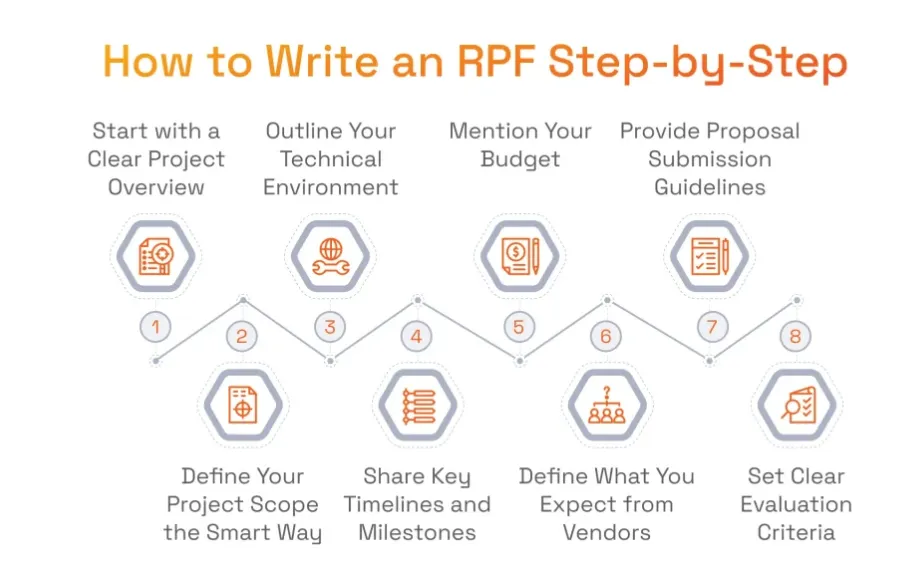
This framework walks through the core components of a strong energy consulting RFP, in the order that supports both internal clarity and vendor responsiveness.
Understanding What an Energy Consulting RFP Actually Does
An energy consulting rfp is a formal document that communicates your organization’s energy-related needs, project scope, and evaluation criteria to prospective consulting firms. Its purpose is not to describe your facility in detail or to solicit sales pitches. It is to give qualified consultants the information they need to submit a specific, relevant, and comparable response. When structured correctly, it also functions as an internal planning document, surfacing disagreements about scope and priorities before they become problems after a contract is signed.
Many facility managers underestimate how much the quality of an RFP shapes the quality of responses received. Vague documents invite vague proposals. Overly prescriptive documents eliminate consultants who might offer more effective approaches. The goal is a document that is clear enough to be answered precisely, but open enough to allow consultants to demonstrate their thinking.
Those who want to see what a structured energy consulting rfp looks like in practice can review this energy consulting rfp framework as a reference point before drafting their own.
Why Internal Alignment Must Come Before the RFP Is Written
Before a single line of the document is drafted, the facility management team needs internal agreement on several fundamental questions: What problem are we solving? Who owns the decision? What does success look like in twelve months? These questions sound straightforward, but in practice they often reveal competing priorities between operations, finance, and executive leadership. If those tensions are not resolved before the RFP goes out, the organization will struggle to evaluate proposals objectively, and the selected consultant will inherit a client that cannot give clear direction.
The RFP process itself can be used as a forcing function for this alignment. Drafting the scope section, for instance, requires the team to decide whether the engagement is focused on procurement strategy, efficiency programs, demand management, or some combination. That decision affects which consultants are appropriate, what their deliverables should be, and how performance will be measured. Attempting to avoid that decision by writing a broad, open-ended scope only delays the conflict.
Defining the Scope of Work with Operational Precision
The scope of work is the most consequential section of any energy consulting RFP. It tells prospective consultants exactly what they are being asked to do, under what conditions, and within what boundaries. A well-written scope eliminates the need for extensive clarification rounds, reduces the risk of proposals that address the wrong problem, and gives evaluation teams a reliable basis for comparing bids.
Scope definition requires distinguishing between what consultants are responsible for delivering and what they are responsible for advising on. These are different things. A consultant who is responsible for delivering a procurement strategy will produce specific documents, run a defined process, and coordinate with utilities or brokers. A consultant who advises on procurement strategy may review your existing contracts and offer recommendations, but execution remains internal. Both are legitimate engagements, but confusing them in the scope leads to mismatched proposals and disputes over deliverables.
Separating Project Scope from Ongoing Service Scope
Energy consulting engagements generally fall into two categories: discrete project work with a defined start and end, or ongoing advisory services with a retainer or recurring structure. These require different scopes, different pricing models, and different performance metrics. A facility manager who needs a one-time utility rate analysis should not be writing a scope that reads like a long-term account management arrangement, and vice versa.
When the scope involves both, the RFP should treat them as separate line items with separate deliverables and timelines. This allows consultants to price each component clearly and allows the evaluation team to assess each independently. It also creates flexibility in contract negotiations if, for example, the organization decides to proceed with project work but defer the retainer component.
Establishing Qualification Requirements That Match Your Actual Needs
Qualification criteria should reflect the specific operational context of your facilities, not a generic checklist of consulting credentials. A large industrial manufacturer with complex demand charges and interruptible service agreements has different qualification needs than a university campus managing a mix of owned and leased buildings. The qualifications section of the RFP should reflect that difference.
The most relevant qualifications for energy consulting typically include demonstrated experience with the utility markets and rate structures applicable to your region, familiarity with the regulatory environment your facilities operate within, and a track record of engagements with similar facility types and consumption profiles. According to the U.S. Department of Energy, organizations that engage consultants with direct experience in their regional utility markets tend to achieve more accurate baseline assessments and more actionable recommendations.
How to Use References as a Qualification Tool
References are often treated as a formality in the RFP process, collected at the end and reviewed briefly before a decision is finalized. This approach wastes one of the most reliable evaluation tools available. When structured correctly, reference requests can reveal how a consultant performs under pressure, how they communicate when a project encounters obstacles, and whether their work actually produced measurable results for clients with similar needs.
The RFP should instruct respondents to provide references from engagements that are genuinely comparable to the proposed work, not their most impressive projects from unrelated industries. It should also ask respondents to describe the specific outcomes achieved for each reference, rather than simply listing client names and contact information. This shifts the burden of proof appropriately and helps evaluation teams identify firms that can support their claims with substance.
Structuring the Pricing and Proposal Format Requirements
An energy consulting RFP that does not specify how proposals should be structured will receive responses in widely varying formats, making comparison difficult and evaluation time-consuming. Standardizing the proposal format is not about bureaucratic control. It is about creating the conditions for fair, efficient evaluation across a field of qualified respondents.
Pricing should be requested in a way that reflects how the engagement will actually function. Fixed-fee pricing is appropriate for discrete deliverables with well-defined scope. Time-and-materials pricing may be appropriate for advisory work where the volume of consultation is variable. Performance-based or gain-sharing arrangements, in which part of the consultant’s fee is tied to verified savings, are increasingly common in energy consulting and should be explicitly invited if your organization is open to that structure.
The Role of Evaluation Criteria in Managing Consultant Expectations
Publishing your evaluation criteria within the RFP serves two purposes. First, it tells respondents what matters most to your organization, which allows them to allocate their proposal effort accordingly. Second, it creates accountability for the evaluation team, because the criteria become the basis on which the selection must be defended. Organizations that publish weighted criteria and then select a vendor for reasons unrelated to those criteria create legal and procurement risk that can be avoided with consistent adherence to the stated framework.
Common evaluation criteria in energy consulting rfp processes include technical qualifications, relevant experience, proposed methodology, team composition, pricing, and references. The weighting of these categories should reflect your organization’s actual priorities. If budget certainty is the primary concern, pricing should carry proportional weight. If the engagement involves complex regulatory navigation, technical qualifications and methodology should be weighted more heavily.
Timeline, Submission Requirements, and Process Management
A complete energy consulting RFP includes a clear timeline that accounts for the full procurement cycle, from issuance through evaluation, negotiation, and contract execution. Facility managers frequently underestimate how long each stage takes, particularly when internal approvals are required between steps. Building buffer time into the timeline reduces the pressure to make a rushed selection and gives consultants adequate time to prepare substantive responses.
Submission requirements should specify the format, length, and delivery method for proposals. If your organization uses a procurement portal, the RFP should explain how to register and submit. If proposals are submitted by email, the RFP should state file format requirements and confirm receipt protocols. Small logistical gaps in this section can result in strong candidates submitting incomplete or late proposals, which benefits no one.
Managing Questions and Clarifications Fairly
Most well-run RFP processes include a formal question and answer period during which prospective respondents can seek clarification on the document. This period should have a defined deadline, and all questions and answers should be shared with all respondents simultaneously, not handled on a case-by-case basis. This practice protects the integrity of the process and ensures that no single firm gains an informational advantage over others. It also helps the issuing organization identify gaps or ambiguities in the original document that should be addressed before proposals are submitted.
Concluding the Process: From Selection to Engagement
The RFP process does not end when a consultant is selected. The transition from proposal to contract is where many well-intentioned energy consulting engagements begin to break down. The scope described in the RFP, the deliverables promised in the proposal, and the terms agreed to in the contract must align. Any discrepancy between these three documents creates ambiguity that will surface as a dispute later.
Facility managers who invest the time to write a structured, complete energy consulting rfp are not just improving their odds of selecting the right consultant. They are building an internal record of their organization’s energy priorities, procurement standards, and performance expectations. That record has value beyond any single engagement. It creates a repeatable process, reduces onboarding friction with future consultants, and provides continuity when staff changes occur.
The effort required to write a thorough RFP is front-loaded, but the downstream benefits, measured in clearer deliverables, more accountable consultants, and better-informed decisions, consistently justify that investment. For facility managers managing the complexity of modern energy portfolios, a disciplined approach to consultant selection is not optional. It is part of the operational foundation that everything else depends on.