

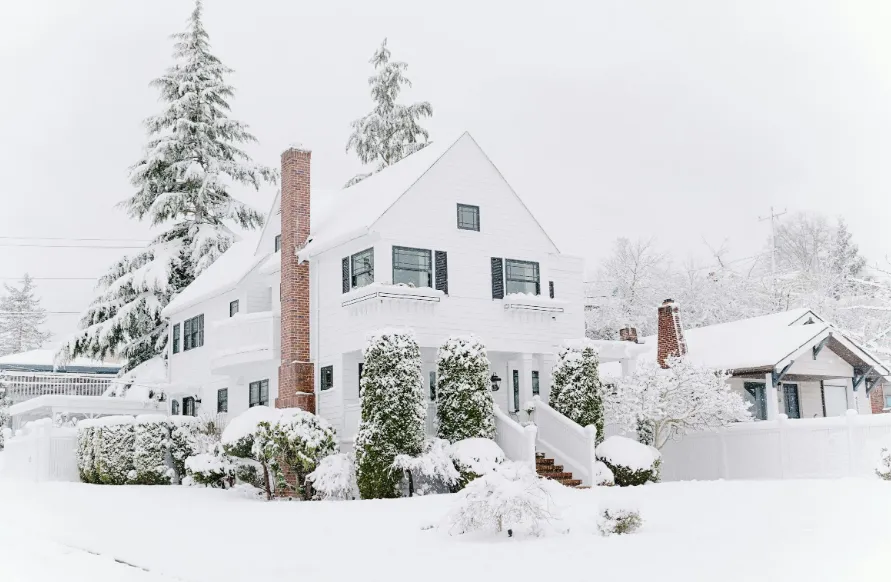
Canadian weather doesn’t do anything halfway. We experience scorching summers that crack and fade surfaces, brutal winters that freeze and heave foundations, and dramatic seasonal transitions that expand and contract materials relentlessly. Your deck endures all of it—often without the protection enjoyed by your home’s interior.
Understanding how weather affects outdoor structures helps you make smarter decisions about construction, materials, and maintenance. The deck that thrives in mild coastal climates might fail spectacularly in prairie winters or Ontario’s humidity. Let’s explore how our unique climate challenges outdoor living spaces and what you can do about it.
The Freeze-Thaw Cycle: Your Deck’s Silent Destroyer
When temperatures hover around freezing, moisture trapped in wood or beneath your deck repeatedly freezes and thaws. Water expands approximately 9% when it freezes, forcing apart wood fibers, cracking concrete, and loosening fasteners. Over hundreds of cycles each winter, this process wreaks havoc on unprepared structures.
Pressure-treated lumber treated to lower retention levels absorbs moisture readily, making it vulnerable to freeze-thaw damage. Posts and joists in direct ground contact face the greatest risk. Composite materials aren’t immune either—lower-quality products become brittle in extreme cold, cracking under stress.
Concrete footings experience similar stress. Inadequate depth allows frost to reach underneath, causing heaving that shifts entire structures. This movement stresses connections, creates gaps, and can even separate ledger boards from your home’s framing.
Summer Sun: The Fading and Warping Agent
Extended exposure to UV radiation breaks down wood lignin—the natural glue holding wood fibers together. Unprotected wood turns gray, splinters develop, and boards cup or twist as surface layers deteriorate faster than protected undersides.
Dark composite materials absorb tremendous heat, becoming uncomfortably hot underfoot during peak summer days. Some products reach temperatures exceeding 70°C in direct sunlight, making decks unusable during the warmest parts of the day. Heat also accelerates expansion, and inadequate gap spacing leads to buckling when materials can’t move freely.
Southern and western exposures face maximum sun intensity. Decks in these orientations deteriorate faster without proper finishes or material selection that resists UV damage and heat absorption.
Moisture and Humidity: The Rot Equation
Warm, humid conditions create perfect environments for mold, mildew, and wood-destroying fungi. Decks in shaded areas or surrounded by vegetation stay damp longer after rain, maintaining the moisture levels that promote decay.
Poor ventilation beneath your deck traps humidity, preventing materials from drying properly. Leaves, grass clippings, and organic debris accumulate in these spaces, decomposing and holding moisture against structural members. Within a few seasons, this creates soft spots, rot, and compromised structural integrity.
Coastal regions and areas near large bodies of water face additional moisture challenges. Salt-laden air accelerates corrosion of metal fasteners and hardware, weakening connections throughout your structure.
Wind and Storm Damage: The Overlooked Threat
High winds test every fastener, connection, and structural element. Improperly secured railings become dangerous projectiles during severe storms. Loose boards lift and break, and inadequate ledger connections allow entire decks to pull away from homes.
Heavy snow loads stress structures beyond typical design parameters. Accumulated snow weighs approximately 10-20 pounds per cubic foot when wet, adding thousands of pounds to deck surfaces. Structures built without considering snow loads sag, crack, or catastrophically fail under extreme accumulation.
Choosing Weather-Resistant Solutions
Material selection dramatically impacts weather performance. For harsh Canadian climates, consider these factors:
Premium pressure-treated lumber with higher chemical retention resists moisture absorption and decay. Tropical hardwoods like Ipe naturally resist rot and insects but require oil treatments to maintain color. High-quality composites engineered for temperature extremes perform reliably through seasonal changes without the maintenance demands of natural wood.
Proper installation techniques matter equally. Ensuring adequate drainage, using corrosion-resistant fasteners rated for exterior use, and maintaining proper board spacing allows materials to move naturally with temperature and moisture changes.
Protective finishes extend wood deck life significantly. Quality stains with UV inhibitors prevent sun damage while water-repellent sealers reduce moisture absorption. Annual reapplication maintains protection, though many homeowners neglect this crucial maintenance step.
Seasonal Maintenance Strategies
Spring inspections catch winter damage before it worsens. Check for loose fasteners, examine structural connections, and look for rot indicators like soft spots or discoloration. Clean thoroughly to remove debris that holds moisture against surfaces.
Summer maintenance focuses on cleaning and protective treatments. Power washing (at appropriate pressure settings) removes dirt and mildew, while fresh stain or sealer applications protect against UV damage and moisture intrusion.
Fall preparation prevents winter problems. Clear all organic debris, ensure drainage systems function properly, and trim vegetation that restricts airflow or keeps surfaces damp. For those seeking professional maintenance services and expert deck care, decksforlife.ca offers comprehensive solutions tailored to Canadian weather conditions.
Building for Longevity
Weather will test your deck regardless of construction quality, but proper design and maintenance determine whether it thrives for decades or requires replacement within years. Understanding climate impacts helps you make informed decisions about materials, installation techniques, and ongoing care—transforming your outdoor investment into a lasting asset that withstands everything Canadian weather delivers.