

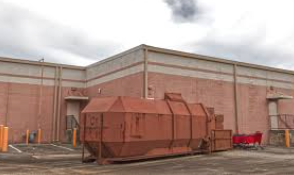
Why Trash Compactors Are More Important Than Ever
The business landscape in 2026 is defined by rising operational costs, a push toward sustainability, and a constant need for efficiency. Companies across industries are under pressure to reduce overhead without compromising productivity or customer experience. As a result, many are turning to a practical, often overlooked solution: trash compactors. Once considered an optional upgrade, these machines have become vital components of efficient waste management strategies. From reducing waste volume to lowering hauler fees, trash compactors are helping businesses stay competitive in a demanding economy. Their adoption is increasing in retail, hospitality, manufacturing, healthcare, property management, and beyond as companies recognize the tangible financial and spatial benefits they bring. In 2026, trash compactors are no longer just equipment; they are strategic assets.
Rising Waste Costs and the Need for Smarter Solutions
In recent years, waste management expenses have increased steadily. Landfill fees have risen due to capacity limitations, waste-hauler labor shortages have driven up service costs, and stricter environmental regulations require more responsible handling of materials. As businesses generate more packaging, shipping materials, and consumable waste, their disposal expenses have grown disproportionately. This surge in waste-related costs has pushed companies to evaluate cost-saving alternatives like trash compactors. By compressing waste into smaller, denser loads, businesses significantly reduce the frequency of pickups. Fewer hauls can translate into savings of 30 to 70 percent annually, depending on waste volume and local service pricing. In highly populated areas where waste collection services are stretched thin, compactors help businesses avoid overage fees, contamination charges, and emergency pickups. As waste volumes continue to rise in 2026, the financial benefits of compactors are more significant than at any time in the past decade.
How Trash Compactors Work and Why They’re Effective
Trash compactors function by applying thousands of pounds of pressure to garbage, cardboard, recyclables, or other materials to reduce their volume. Depending on the model, they can compress waste by a factor of four or more. This means what once filled multiple dumpsters can now fit into a single compacted container. The efficiency they offer is not just in volume reduction but in the streamlining of waste-handling processes. Instead of employees constantly carrying trash outside, compactors allow waste to be deposited in a centralized unit, often indoors. This creates a safer, cleaner environment, minimizes odors, and reduces labor time spent managing trash. Many modern models available in 2026 also include smart features such as fill-level sensors, automatic alerts to haulers, and remote diagnostics. These advancements ensure compactor uptime and improve efficiency even further, making them particularly appealing for multi-location businesses.
Space Optimization in High-Demand Environments
In 2026, commercial real estate is more expensive than ever, and businesses are seeking ways to maximize every square foot. Trash compactors play an essential role in this effort by reducing the space required for waste storage. Traditional dumpsters often take up significant outdoor areas, limiting parking, shipping access, or storage options. Compactors, especially indoor and vertical units, allow companies to reclaim and repurpose usable space. For restaurants, this could mean more seating capacity or room for kitchen expansion. For retailers, it might free up space for inventory or improve customer flow in high-traffic areas. Industrial facilities often find compactors crucial for keeping loading docks clear and maintaining efficient production lines. Even property managers benefit as compactors prevent overflow in shared waste areas, improving curb appeal and tenant satisfaction. With space becoming a premium asset, compactors are proving to be an investment that extends beyond waste management.
Sustainability and Corporate Responsibility
Environmental responsibility remains a top priority in 2026, driven by both consumer expectations and regulatory requirements. Trash compactors support sustainability efforts in several meaningful ways. By reducing the overall number of waste pickups, they directly lower fuel consumption and emissions produced by waste-hauling trucks. Businesses also produce denser, more manageable waste, which can improve landfill efficiency. Many compactors are paired with recycling balers to help businesses separate and compact recyclable materials like cardboard, a major waste component for retailers and distributors. This not only enhances sustainability but also sometimes generates revenue through recycling rebates. Modern compactors often include greener engineering, using energy-efficient motors, improved hydraulics, and recycled materials in their construction. As businesses in 2026 compete to demonstrate their environmental stewardship, the incorporation of trash compactors becomes both a practical and reputational advantage.
Industry-Specific Benefits for 2026
Different industries are seeing unique advantages from adopting trash compactors in 2026. Retailers, for example, handle massive amounts of cardboard due to e-commerce shipping. Compactors allow them to manage cardboard efficiently without cluttering stockrooms. Restaurants benefit from reduced odor and pest attraction, two persistent challenges in the food industry. Hospitality businesses like hotels and resorts reduce the number of waste pickups, leading to fewer disruptions to guests. Healthcare facilities, which must maintain stringent sanitation standards, find compactors helpful in managing non-hazardous waste quickly and safely. Manufacturing and warehouses, which often handle large volumes of packaging waste, use compactors to keep production lines free of obstruction. Even small businesses and office buildings can enjoy the benefits of compactors by choosing smaller models designed for lower waste volumes. In every case, compactors provide cost, operational, and cleanliness improvements.
Smart Technology Enhancements in Modern Compactors
One of the biggest changes in 2026 is the integration of smart technology into trash compactors. These modern units offer advanced features such as remote monitoring, scheduled auto-runs, error detection, and IoT connectivity. Facility managers can monitor fill levels from an app, while haulers receive automatic notifications when pickups are needed. Predictive maintenance helps avoid breakdowns by alerting users before mechanical issues escalate. Some compactors even allow for data analytics, giving businesses insight into waste trends across multiple locations. This information can be used to adjust staffing, improve recycling rates, or renegotiate hauler contracts based on actual volume data. Smart compactors turn waste management from a reactive task into a strategic, data-driven process.
Return on Investment and Long-Term Savings
For most businesses, the financial impact of trash compactors remains the strongest motivator. While initial investments vary depending on the size and model, the return on investment typically occurs within 12 to 24 months. Savings come from reduced hauling frequency, lower labor costs, fewer overflow fees, and improved operational efficiency. Over the lifespan of a compactor, which can range from 10 to 20 years with proper maintenance, the long-term savings are substantial. In addition to measurable financial benefits, businesses also gain indirect value through improved cleanliness, safety, compliance, and professionalism. Companies with multiple locations can achieve even greater savings by standardizing compactor use across all sites.
How to Choose the Right Trash Compactor in 2026
Selecting the right trash compactor depends on factors such as waste volume, type of waste, available space, and budget. Indoor compactors are ideal for restaurants, hotels, and businesses that need odor control and convenience. Outdoor compactors, including self-contained and stationary models, are suited for large waste volumes or wet waste. Vertical compactors are perfect for smaller businesses with limited space. Businesses should also consider whether they want smart features, energy efficiency, or integration with recycling systems. In 2026, many vendors offer leasing options, making compactors accessible without high upfront costs. Consulting with a waste management expert can help businesses choose the model that fits their operational goals and financial constraints.
The Future of Trash Compaction and Business Waste Management
As waste volumes increase and sustainability demands rise, trash compactors will continue to be an essential part of business operations. Future advancements may include AI-driven compaction cycles, deeper data analytics, zero-waste integration, and improved material recovery. Businesses that adopt compactors today position themselves to handle tomorrow’s challenges with greater efficiency and cost control. In 2026, trash compactors are more than waste-handling machines—they are strategic assets that help businesses reduce expenses, optimize space, and meet environmental expectations.