

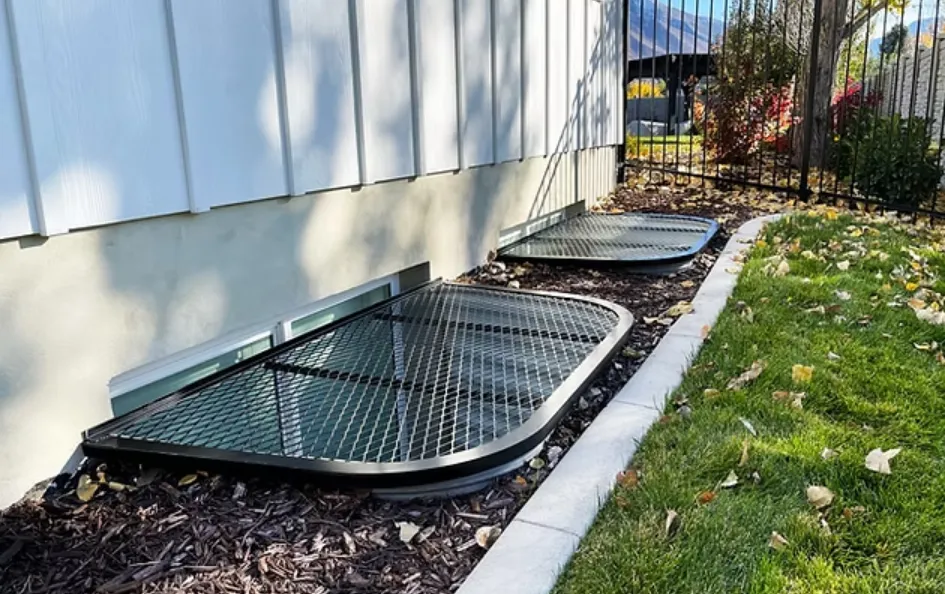
Imagine walking into your basement to find it flooded and full of wet, muddy junk below ground level. Hold on right now! Before you buy, learn why picking the right window well covers can stop this problem. The wrong cover can crack, fall in, or cause trouble—turning a small mistake into a big headache. Choose well now, and you protect your home, your family, and your peace of mind for years.
In this article, you will find hidden risks, material options, simple installation tips, and key maintenance steps that keep your home dry, safe, and up to code all year.
Discover the Light Secret: Elevate Your Basement with Daylight Covers
- Improve Mood & Health: Basements with natural light improve your mood; people living in bright rooms report 30% fewer winter blues.
- Get More Natural Light: Strong polycarbonate covers let in up to 90% of light, much more than older FRP covers that only pass 20%.
- Double the Light with Reflective Liners: Use clear covers and shiny liners to double your brightness, making dark spots into livable spaces.
- Lower Electricity Bills: Letting in daylight can cut basement light use by 40%, which saves on power and cuts yearly household energy costs.
Why You Can’t Afford to Skip Window Well Covers
1. Prevent Debris & Pest Infestation
- Keeps Leaves and Branches Out: Without a cover, your well is filled with leaves, sticks, and trash, costing hours a season.
- Blocks Animals: A secure cover keeps rodents, snakes, and bugs from making your well a home.
2. Avoid Costly Water Damage
- Diverts Rain and Snow: Covers send water away, so wells don’t fill and leak into your basement.
- Stops Mold and Foundation Damage: A dry well cuts mold and crack risks, saving repair costs.
3. Enhance Safety & Compliance
- Prevents Falls: A strong cover that holds 400+ lbs keeps children, pets, and delivery workers from falling in.
- Meets Emergency Exit Rules: Codes often require a clear exit—good covers hinge or unlatch from inside for quick escape.
Choosing the Right Material & Design For Window Well Covers
Material & Strength
- Polycarbonate: Almost unbreakable, clear, sun-resistant—lets in daylight while supporting hundreds of pounds.
- Galvanized Steel: Strong and weatherproof, ideal for places with heavy snow and strong winds.
Egress & Accessibility
- Easy-Open Mechanisms: Choose covers with spring hinges or quick-release latches you can open from inside tool-free.
- Removable vs. Permanent: Removable covers are easier for DIY, while hinged ones stay in place for more security.
Custom vs. Stock Sizes
- Accurate Measurements: Measure width and depth; a loose cover lets dirt and water in.
- Ready-Made Kits: Work for standard wells; custom covers fit odd shapes but need exact factory specs.
Installing Your Window Well Covers: Tips & Tricks
DIY Quick Installs
- Clean the Well: Clear out debris and rinse with water.
- Level & Anchor: Use concrete screws or toggle bolts based on well material.
- Test Fit: Set the cover, make sure it fits tight, and the latch works well.
When to Call a Pro
- Complex Egress Requirements: If you need permits or must cut into the foundation, hire a licensed contractor.
- Severe Drainage Issues: Pros can add drain channels and connect sump pumps.
Maintenance Tips for Longevity
Simple checks each season keep window well covers performing like new.
Seasonal Upkeep Checklist
- Spring & Fall: Sweep leaves, sticks, and debris off the cover’s surface.
- Winter: Brush off snow and ice; don’t let over 2 inches pile up.
- Annual: Oil hinges, check gaskets, and look for cracks or rust.
Troubleshooting Common Issues
- Wind Lift: Use safety cables or interior bungee cords to hold the cover down.
- Leaks at Seams: Reseal edges with outdoor silicone or swap out old gasket strips.
How Window Well Covers Can Boost Your Home’s Energy Efficiency
Most homeowners don’t know that window well covers can improve your home’s energy efficiency and comfort. If you pick the right cover, you can lower heating and cooling bills by sealing drafts, blocking heat, and keeping basement air more stable all year.
- Insulating Against Temperature Swings: Good covers block cold drafts in winter and stop excess summer heat by acting as a heat shield over basement windows. This cuts heater and AC use, keeping temps even.
- Sealing Air Leaks at the Base: Loose or open wells under basement windows often let outside air in. A snug cover closes all these gaps, stopping drafts and boosting your home’s insulation barrier.
- Protecting Basement Windows from Ice & Snow Build-Up: Covers guard your window frames from winter frost and heavy snow build-up, stopping cracks, warped frames, and energy loss through broken seals.
- Reducing Moisture That Harms Insulation: Standing water in open wells can seep into basement walls, damaging insulation and raising energy use to control damp indoor air and prevent mold.
Stop the Leak Before It Starts – Explore Durable Covers Today!
Don’t risk your basement’s safety and comfort—act now and start with the right window well covers from day one. Know the risks, choose strong materials, install them correctly, and do easy, year-round checks to stop leaks, pests, and falls while lowering energy bills and boosting your home’s value.Window Well Experts have spent decades helping homeowners make smart, lasting choices with custom-engineered solutions built to perform in every climate. Ready to take the next step? Contact them today for a free quote and enjoy a drier, safer, more efficient basement.