

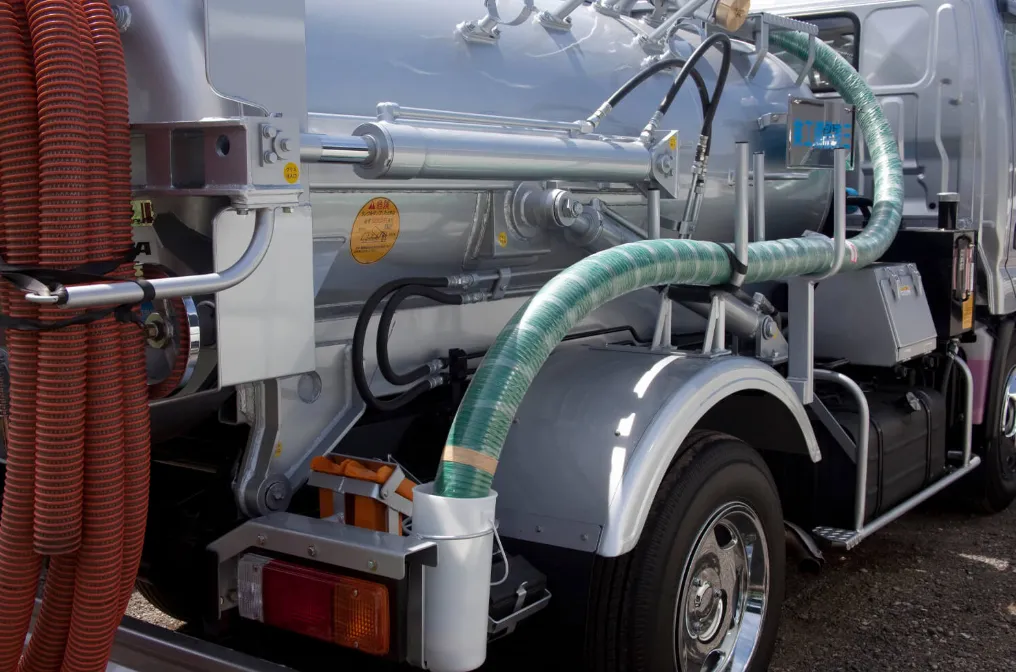
A vacuum truck is only as reliable as the systems that power it. While most operators focus on the tank, pump, and suction components, the hydraulic system is what keeps everything moving. From lifting the tank to powering the boom and operating valves, hydraulics play a central role in daily performance. Without proper care, even a high-quality truck can experience costly downtime. That is why vacuum truck hydraulic system maintenance should be a top priority for fleet managers and operators alike.
In this guide, we will walk through how to properly maintain a vacuum truck’s hydraulic system, why it matters, and what best practices can extend the life of your equipment.
Understanding the Role of the Hydraulic System
The hydraulic system in a vacuum truck converts mechanical power into fluid power to operate critical components. It typically powers the hoist cylinder, rear door locking mechanisms, boom controls, and other auxiliary functions. The system includes a hydraulic pump, reservoir, hoses, valves, cylinders, and filters.
When any of these components fail, the entire truck can become inoperable. A malfunctioning hoist cylinder may prevent safe dumping. A leaking hose can cause loss of pressure and environmental hazards. In many cases, small maintenance issues that are ignored can quickly escalate into major repairs.
That is why vacuum truck hydraulic system maintenance must be part of a routine preventive maintenance program.
Perform Regular Fluid Inspections
Hydraulic fluid is the lifeblood of the system. Maintaining proper fluid levels and condition is one of the most important steps in keeping the system functioning properly.
Start by checking fluid levels daily or before each shift. Low fluid levels can introduce air into the system, leading to cavitation, overheating, and inconsistent performance. Always use the manufacturer-recommended hydraulic fluid type.
In addition to checking levels, inspect the fluid quality. Clean hydraulic fluid should appear clear and free of debris. If the fluid looks milky, it may indicate water contamination. Dark or burnt-smelling fluid could signal overheating or oxidation. Contaminated fluid reduces lubrication and accelerates wear on pumps and valves.
Establish a fluid replacement schedule based on manufacturer guidelines and operating conditions. Trucks operating in extreme temperatures or heavy-duty environments may require more frequent changes.
Inspect and Replace Hydraulic Filters
Hydraulic filters remove contaminants from the fluid before they circulate through sensitive components. Over time, filters become clogged and restrict flow. This can reduce efficiency and increase pressure within the system.
Include filter inspections as part of routine vacuum truck hydraulic system maintenance. Replace filters according to the recommended service interval or sooner if pressure indicators show restriction. Always use high-quality replacement filters that meet original equipment specifications.
Neglecting filter changes allows dirt and metal particles to accumulate. Even microscopic debris can cause scoring in pumps and cylinders, leading to premature failure.
Check Hoses and Fittings for Leaks
Hydraulic hoses operate under high pressure and are subject to vibration, abrasion, and environmental exposure. Over time, they can develop cracks, blisters, or loose fittings.
Conduct regular visual inspections of all hoses and connections. Look for signs of oil leaks, damp spots, or worn outer coverings. Pay special attention to areas where hoses bend or rub against metal surfaces.
If you detect any leaks, address them immediately. A small drip can quickly become a burst hose under pressure. In addition to fluid loss, a hose failure can pose safety risks to operators and nearby workers.
Proper hose routing and securing clamps can also prevent premature wear. Avoid tight bends and ensure hoses are not stretched or twisted during operation.
Monitor Hydraulic Pump Performance
The hydraulic pump is responsible for generating the pressure that powers the system. If the pump begins to fail, overall performance will decline.
Listen for unusual noises such as whining or grinding during operation. These sounds may indicate air in the system, low fluid levels, or internal pump wear. Monitor operating temperatures as well. Excessive heat can damage seals and reduce fluid effectiveness.
If you notice slow or jerky movement in hydraulic components, it may be time to test system pressure. A pressure gauge can help determine whether the pump is operating within the correct range.
Including pump diagnostics in your vacuum truck hydraulic system maintenance routine can help you catch problems before they require complete pump replacement.
Maintain Hydraulic Cylinders
Hydraulic cylinders handle heavy loads and repetitive motion. Over time, seals can wear out and allow fluid to bypass internally or leak externally.
Inspect cylinder rods for scoring, pitting, or corrosion. Damaged rods can destroy seals and cause leaks. Keep rods clean and free from debris, especially after operating in muddy or dusty environments.
If you observe fluid around the cylinder head or base, schedule a seal replacement. Addressing seal wear early prevents more extensive internal damage.
Regular lubrication of pivot points and mounting hardware also reduces stress on cylinders and improves alignment.
Prevent Contamination at All Costs
Contamination is the leading cause of hydraulic system failure. Dirt, water, and air can enter the system during maintenance, fluid changes, or through worn seals.
Always clean around fill caps and fittings before opening the system. Store hydraulic fluid in sealed containers and avoid using dirty funnels or tools. If operating in wet conditions, inspect breathers and reservoir caps to ensure they are functioning properly.
Installing high-quality breathers and maintaining proper seals can significantly reduce contamination risks. A clean system not only performs better but also extends component life.
Establish a Preventive Maintenance Schedule
Consistency is the foundation of effective vacuum truck hydraulic system maintenance. Rather than reacting to breakdowns, create a structured preventive maintenance plan.
A comprehensive plan should include daily inspections, weekly visual checks, monthly performance testing, and scheduled fluid and filter changes. Keep detailed records of all service activities, including dates, fluid types used, and parts replaced.
Tracking maintenance history helps identify recurring issues and ensures compliance with safety regulations. It also protects your investment by extending the lifespan of the truck.
Train Operators to Recognize Warning Signs
Operators are the first line of defense in identifying hydraulic problems. Provide training so they can recognize early warning signs such as unusual noises, slow operation, fluid leaks, or temperature spikes.
Encourage operators to report concerns immediately rather than continuing to work with a suspected issue. Early intervention can prevent a minor problem from turning into a major repair.
Clear communication between drivers, technicians, and fleet managers strengthens overall maintenance efforts.
Consider Environmental and Operating Conditions
The environment in which a vacuum truck operates can significantly impact the hydraulic system. Extreme heat can degrade fluid more quickly, while cold temperatures can thicken fluid and strain pumps during startup.
If operating in cold climates, allow the truck to warm up before engaging hydraulic functions. In hot environments, monitor temperatures closely and ensure adequate cooling.
Dusty job sites may require more frequent filter changes, while wet environments increase the risk of water contamination. Tailoring your vacuum truck hydraulic system maintenance plan to specific operating conditions improves reliability.
Work with Qualified Service Professionals
While daily inspections can be handled in-house, complex diagnostics and repairs should be performed by experienced technicians. Professional service providers have the tools and expertise to conduct pressure testing, system flushing, and component rebuilds.
Partnering with a qualified service center ensures that repairs are completed according to manufacturer specifications. This reduces the risk of improper installation and future failures.
Periodic professional evaluations can also uncover hidden issues that may not be obvious during routine inspections.
Protect Your Investment Through Proactive Care
A vacuum truck represents a significant capital investment. Protecting that investment requires attention to every critical system, especially hydraulics. By prioritizing fluid quality, filter replacements, leak detection, contamination control, and operator training, you can dramatically reduce downtime and repair costs.
Vacuum truck hydraulic system maintenance is not just about preventing breakdowns. It is about ensuring safe operation, maintaining productivity, and extending the life of your equipment. With a proactive and consistent approach, your hydraulic system will continue to power your truck reliably for years to come.