


Industries today face increasing challenges in managing waste effectively. The growing volumes of hazardous materials, evolving regulatory requirements, and limited resources make proper waste management a critical concern for professional sectors. Organizations often struggle with implementing sustainable practices amidst operational demands, while contamination, inadequate recycling, and inefficient disposal methods further complicate environmental efforts. Addressing these challenges requires a systematic approach that improves efficiency, reduces costs, and promotes sustainability. Professional waste audit consulting services provide the expertise and guidance necessary to achieve these goals.
Understanding Waste Audits
A waste audit is a structured evaluation of the types and quantities of materials discarded by an organization, and BNL offers waste audit consulting services to support this process. By identifying waste sources and analyzing disposal practices, audits help businesses uncover opportunities to reduce waste, increase recycling, and enhance overall efficiency. Waste audits are not only useful for environmental compliance but also for optimizing resource management and fostering responsible operational habits.
Conducting a waste audit is crucial because it highlights inefficiencies and pinpoints areas for improvement. Businesses can implement strategies to minimize landfill contributions, lower pollution, conserve natural resources, and improve public health. Additionally, effective waste management strengthens a company’s sustainability credentials, which is increasingly valued by customers, investors, and stakeholders.
Professional Waste Audit Consulting Services
Professional consulting services offer comprehensive support for organizations seeking to improve their waste management practices. These services assess current processes, identify inefficiencies, and recommend actionable strategies to enhance sustainability. Consultants evaluate waste streams, analyze data, and provide tailored solutions that align with regulatory requirements and organizational goals.
Different types of professional services cater to specific needs. For example, consulting firms may focus on hazardous waste management, recycling optimization, or sustainability program development. Each service offers unique features such as specialized reporting, customized training, and technology integration to monitor waste reduction progress. By leveraging these services, organizations can significantly reduce environmental impact while enhancing operational efficiency.
The positive impact of professional consulting extends beyond compliance and efficiency. Businesses that implement sustainable practices can reduce their carbon footprint, improve resource utilization, and attract environmentally conscious clients. Moreover, eco-friendly initiatives often inspire innovation, strengthen corporate reputation, and provide a competitive edge in increasingly sustainability-focused markets.
The Waste Audit Process
Conducting a waste audit typically involves several steps. The process begins with assembling a dedicated team and defining the objectives of the audit. Current waste types are then categorized, and data on quantities generated over a specific period is collected. This information is analyzed to identify trends, inefficiencies, and opportunities for improvement. Finally, an action plan is developed to enhance recycling, reduce waste, and implement sustainable practices.
Waste audit consultants play a central role throughout this process. Their expertise allows for accurate assessment of waste streams, evaluation of existing recycling programs, and recommendations for improvement. Consultants help organizations implement strategies that optimize resource use while ensuring compliance with environmental regulations. Their involvement ensures that waste reduction efforts are both practical and effective.
Key Benefits of Professional Waste Audit Consulting
Enhanced Efficiency: Streamlining waste collection, optimizing recycling methods, and implementing innovative technologies contribute to improved operational efficiency. Organizations can manage resources more effectively, reduce landfill contributions, and achieve measurable improvements in sustainability.
Cost Savings: Effective waste management reduces operational costs associated with disposal, energy consumption, and resource procurement. By minimizing waste and leveraging efficient practices, businesses can save money while maintaining environmental responsibility.
Regulatory Compliance: Navigating local and international waste regulations is complex, but professional consultants provide guidance to ensure adherence. Compliance reduces legal risks, safeguards public health, and demonstrates corporate responsibility.
Improved Reputation: Companies that prioritize waste reduction and sustainability build trust with consumers and stakeholders. Demonstrating a commitment to environmental stewardship enhances brand image and can lead to increased loyalty and business opportunities.
Measurable Metrics: Consultants provide tools and frameworks for tracking progress over time. Metrics such as waste diversion rates, recycling percentages, and cost savings allow organizations to assess the effectiveness of strategies and make informed adjustments when needed.
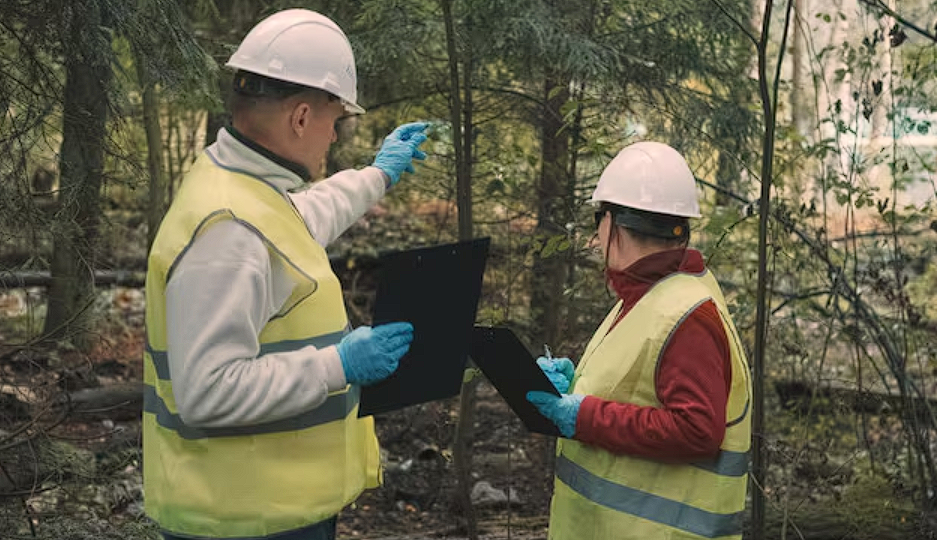
Implementation of Waste Management Solutions
Implementing recommendations from a waste audit involves creating waste reduction strategies and integrating them into business operations. This may include establishing recycling programs, redesigning workflows, adopting eco-friendly packaging, and providing employee training on sustainable practices. Continuous monitoring and evaluation ensure that initiatives remain effective and responsive to changing operational or regulatory conditions.
Employee and stakeholder engagement is essential for successful implementation. Encouraging participation fosters accountability and creativity, resulting in more innovative and effective solutions. When all parties are involved, sustainable practices become embedded in the organizational culture, promoting long-term success.
Case Studies and Real-World Examples
Many organizations have experienced tangible benefits from professional waste audit consulting services. A beverage company, for example, restructured its recycling processes, significantly reducing costs and increasing efficiency. A manufacturing facility optimized waste disposal procedures, decreasing its environmental impact and ensuring regulatory compliance. These case studies demonstrate the practical value of consulting services in transforming waste management from a challenge into an opportunity for operational and environmental improvement.
Before implementing waste management initiatives, communities and businesses often struggled with pollution, landfill overflow, and health hazards. After adopting systematic waste audits and implementing recommended practices, significant improvements are observed, including cleaner environments, reduced landfill use, and enhanced public health. These changes foster sustainable behaviors and demonstrate the benefits of professional guidance.
Selecting the Right Waste Audit Consulting Firm
Choosing a suitable consulting firm is crucial for achieving desired outcomes. Important factors include relevant experience, proven results, methodology transparency, and the ability to provide customized solutions. Asking prospective consultants about past projects, reporting practices, staff training, and expected results can help ensure comprehensive service delivery.
Clear communication and alignment with organizational goals are key to maximizing the benefits of consulting services. A strong partnership ensures that initiatives are practical, measurable, and capable of generating long-term improvements in waste management efficiency.
Impact on Sustainability and Efficiency
Efficient waste management has broad environmental, economic, and societal benefits. Reducing waste minimizes pollution, conserves resources, and supports recycling initiatives. Economically, organizations save on disposal and operational costs while creating potential revenue streams from recycled materials. Socially, improved waste management enhances public health, creates cleaner communities, and fosters awareness about sustainable practices.
Professional waste audit consulting services are essential for organizations aiming to achieve these benefits. By providing expertise, tailored strategies, and ongoing support, these services help businesses and communities manage waste responsibly, optimize resources, and contribute to a greener, more sustainable future.
FAQs
1. What do professional waste audit consulting services include?
They typically include evaluating waste generation, analyzing waste streams, providing detailed reports, recommending reduction strategies, and assisting with implementation to enhance sustainability and efficiency.
2. How can waste audit consulting improve business efficiency?
Consultants identify inefficiencies in waste handling, optimize recycling practices, and recommend operational improvements, resulting in reduced costs, better resource management, and streamlined processes.
3. Are these services necessary for regulatory compliance?
Yes. Consultants help organizations navigate local and international regulations, ensuring proper disposal, recycling practices, and adherence to environmental standards.
4. Can waste audits contribute to cost savings?
Absolutely. By reducing waste generation, improving recycling, and optimizing operations, organizations can lower disposal costs, reduce material usage, and improve overall profitability.