

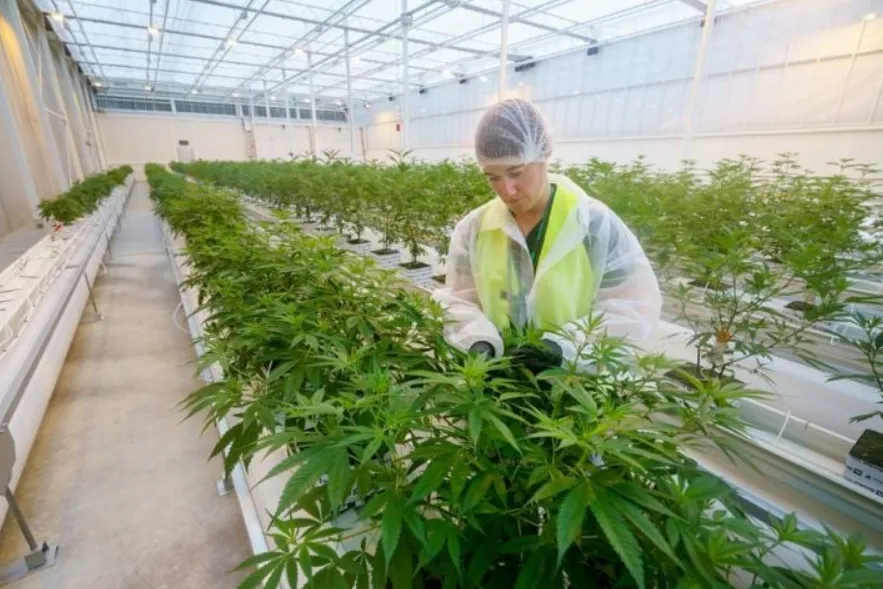
As the cannabis industry continues to expand, producers are constantly seeking innovative ways to increase efficiency and quality in their operations. From optimizing grow room conditions to navigating complex legal requirements, the challenges faced by cannabis producers are unique and demanding. Tools and technologies are emerging to assist in these endeavors, offering solutions for sustainable practices and improved yields. Below, we delve into the crucial aspects that can help streamline cannabis production operations for success in this burgeoning market.
Navigating Legal Compliance in Cannabis Operations
The rapidly changing landscape of cannabis legislation demands that producers stay well-informed about the laws and regulations affecting their business. Compliance with state and federal laws is critical to avoid significant fines and the potential shutdown of operations. It’s essential to work closely with legal experts who specialize in cannabis law to ensure all operations are above board.
Record-keeping and transparency are key components of legal compliance. Producers must meticulously document their processes—from planting to product distribution—to comply with seed-to-sale tracking requirements. Employing reliable ERP vendors can facilitate this intricate process by integrating tracking and reporting capabilities with daily operational management.
Product testing is another legal requirement in many regions, with strict guidelines to ensure consumer safety. Cannabis producers must partner with accredited testing facilities to analyze cannabinoid content, potential contaminants, and overall product quality. Maintaining a high standard of quality not only satisfies legal requirements but also builds trust with consumers.
Leveraging Technology for Enhanced Cannabis Production Quality and Yield
In today’s cannabis market, leveraging technology can be the difference between a thriving operation and a struggling one. Advanced equipment like automated trimming machines and a precision vape cart filling machine boost efficiency, allowing producers to scale their operations without sacrificing quality. Automation also reduces labor costs and the potential for human error in repetitive tasks.
AI is starting to play a significant role in cannabis operations. AI can analyze large volumes of data to provide insights and predictive models for optimum plant care schedules, harvest times, and even strain development. The use of machine learning can also help producers quickly adapt to changing conditions within their grow rooms or broader market demands.
Finally, mobile technology is empowering cannabis producers to manage their operations on the go. From monitoring grow rooms with smartphone apps to receiving alerts about inventory levels, mobile integration ensures that decision-makers have access to real-time information, which is crucial in a fast-paced industry like cannabis production.
Essential Tools for Efficient Cannabis Cultivation
Efficiency in cannabis cultivation is not just about growing plants quickly; it’s also about maintaining quality throughout the process. Essential tools, such as automated watering and nutrient delivery systems, help streamline daily operations and minimize human error. By ensuring plants receive exactly what they need when they need it, these systems promote robust growth and uniformity among crops.
Another critical tool in the cultivator’s arsenal is the substrate and soil analyzer. This device helps producers understand the composition of their growing medium, allowing for precise adjustments to enhance plant health. By tailoring the soil or hydroponic medium to the specific needs of the cannabis strain, growers can push the boundaries of what their plants can achieve.
Data analytics has also become an indispensable tool for modern cannabis cultivation. By collecting and analyzing data about plant growth, environmental conditions, and cultivation techniques, growers can make informed decisions that lead to better outcomes. Understanding patterns and correlations within the cultivation process opens the door to continuous improvement and innovation.
Implementing Sustainable Practices in Cannabis Production
Sustainability in cannabis production is becoming increasingly important as consumers and regulators demand greener practices. Implementing sustainable measures, such as water recirculation systems and organic pest management, not only appeals to eco-conscious customers but also can reduce long-term operational costs. Cultivators need to balance their ecological footprint with the growing demand for their products.
Energy conservation is a significant factor as well; many grow operations rely on extensive lighting and climate control, which can be quite energy-intensive. Transitioning to LED lighting, employing solar panels, and utilizing energy-efficient equipment can dramatically reduce a grower’s carbon footprint. These investments often pay for themselves over time through reduced utility costs.
Overall, the dynamic nature of the cannabis industry requires producers to continually adapt and innovate. By embracing the latest technologies and sustainable practices while navigating the legal landscape, cannabis production operations can thrive. As the industry consolidates its presence in the global market, those who invest in efficiency and technology will likely lead the pack in quality and yield.